As we’ve already seen from the watch numbers of February’s Super Bowl, social media memes of the Milano Cortina Winter Olympic Games, and the massive record breaking opening weekend of the Indian Premier League (IPL) with a combined 515 million viewers across digital and TV environments, 2026 is proving to be quite the sports-centric year.
When you mix the perfect storm of global communications, high-caliber athletic talent, cross-screen accessibility, and diehard fans, what you get is a potent collision of cultural moments, screened for audiences with the tap of a finger.
For brands, this upcoming seasonal moment represents one of the richest acquisition and engagement opportunities in recent memory. In the last few weeks alone, a formidable schedule has been underway; from golf’s Masters Tournament at Augusta to the Paris-Roubaix cycling event, favorable weather conditions increase outdoor sports’ activity, and digital consumption of these winners’ circles. Spring sports are short, intense windows, but extremely valuable ones. Marketers need to treat them like mini product launches.
Looking forward to May 18-June 7, you’ll have worldwide coverage of the Roland-Garros clay courts at the French Open, and even before summer in the northern hemisphere arrives, is the centerpiece of the entire calendar: the FIFA World Cup. This year, it’s co-hosted across the United States, Canada, and Mexico, running from June 11 through to July 19. The tournament is projected to command the attention of billions, and ticket sales (and scarcity) are already heating up forums, social media, and influencers’ bucket lists. And that’s before factoring in other big events such as, the 6-7 month odyssey that is Major League Baseball (MLB), the Tour de France departing from Barcelona for the first year ever, Wimbledon on the grass, and a packed ATP and WTA circuit running across 100-plus tournaments around the world.
For marketers, the temptation is to treat these events as isolated media buys. But building a seasonal strategy requires mapping fan passion – being present and being prepared to go where they’ll connect to watch, interact, share, accessorize, and re-watch these important milliseconds of sports fandom. As well as planning content pipelines well in advance, and showing up authentically and timely in the moments that matter most to their audiences.
The calendar is set. Is your brand ready for cross-screen watch patterns, full-funnel offers, and diverse channel individual and household-level habits?
Let’s break down winning strategies for the events ahead.
What should the digital marketer consider?
- Consumers are becoming more intolerant of advertising, with 64% of US adults saying they spend extra time finding ways to avoid ads on free-with-ads video platforms like YouTube and Hulu.
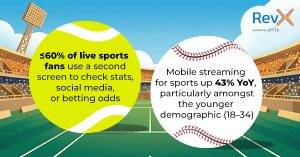
- Around 86 % of internet users engage with another device while watching TV content (social media, search, messaging), this dichotomy of devices offers opportunity as well.
- Events like IPL and Tour de France span global audiences. Considerations for vernacular, local time, and evening vs daytime app-openers are critical to match user experience with real-time action.
Brands need to tap into time-bound excitement, fan identity, real-time triggers. Your advertising strategy should behave like the sport itself: fast, contextual, and emotional.
The Winning Moment
Use big milestones such as opening and rivalry matches, peak performance days such as mountain climb stages*, or final minutes and finish line excitement to extend offers for loyalty and reactivate churned users. *Avoid “notification fatigue” during multi-stage events
Target fans based on real-time interest (e.g., searching for “Wimbledon scores” or “first World Cup goal by Lamine Yamal.”
Tip: You don’t have to be a sports or health app to take advantage of these key moments.
Messaging example for the travel vertical:
- “The last stage into Paris is in 3 days. Watch history unfold in person. Book flight deals now.”
The Highlight Reel
Not everyone watches full matches or stages.You don’t have to “live on air” to succeed. Re-engage with 30-sec highlights, key moments (goals, wickets, crashes, attacks), create customized summaries of “What you missed” and don’t miss the virality of meme/social-style content potential.
Tip: create ads for social media pacing, not the days of TV broadcasting.
Take a Lead from Sports Psychology
Sports fans understand nuance; dedication, defeat, exhaustion, joy, and overcoming adversity. Why would marketers offer generic “watch now” or “download now” messages? Diversifying your call-to-actions and push notifications are required practices for a spectrum of reactions and emotional highs and lows associated with sporting events.
Acquire and retarget with tailored callouts that show users you understand what they are feeling, and don’t be afraid to ask them! Polls and event-triggered engagement such as: 1) “Your team chose to bat. Predictions?” 2) “Pogačar in the lead – will he hold it?”
Doing so offers the feeling of live participation, not being marketed to. The more specific, the higher the reactivation.
Don’t skimp on segmentation
This is especially powerful for reactivating dormant users, as they come back for the game, but will want to stay for the content. It is important that frequency caps prevent over-serving the same audience.
Segment users deeply:
- Favorite team / rider / player
- Geography and weather (you can target for both!)
- Engagement level (casual vs hardcore fans)
Why now for digital?
Cost Efficiency via Mobile: While a 30-second Super Bowl TV spot now costs roughly USD $8 million, mobile advertising (social media, in-app ads, and search) allows brands to support and follow the momentum of these audiences and “piggyback” on smaller sports niche hype at a fraction of the cost.
Conclusion
The Q2 and Q3 2026 timeframes represent high-attention moments for highly-engaged sports fans and thus, for attentive app marketing teams. Beyond opportunities for brand awareness, these cultural spotlight moments are conversion events where emotionally invested audiences are primed to discover new apps, offers, or purchase to access proximity to their favorite sports, athletes, and mirrored or weather appropriate activities.
The marketers who win these quarters are those who plan strategically, execute quickly, and maintain momentum across these timely events, and know how to tie it all together with existing campaigns, across channels and screens.
Lastly, just because the stands empty out, doesn’t mean the opportunity is over. Don’t drop users after the season ends or the podium empties. A number of marketers lose their gains here. Rather, find cultural bridges to other sports for crossover and relevance, create off-season content that reminds them of their favorite athletes and wins, and be agile to transform recommendations based on everything from underdog upsets to unforgettable, and unrepeatable moments.
Ready to catch the fast pitch of 2026? Contact the RevX Team to discuss strategies for the sports’ season ahead. Our DSP and Intellibid (for walled gardens and social) platforms can take your brand across the finish line. Contact us now.

Lauren Heineck